
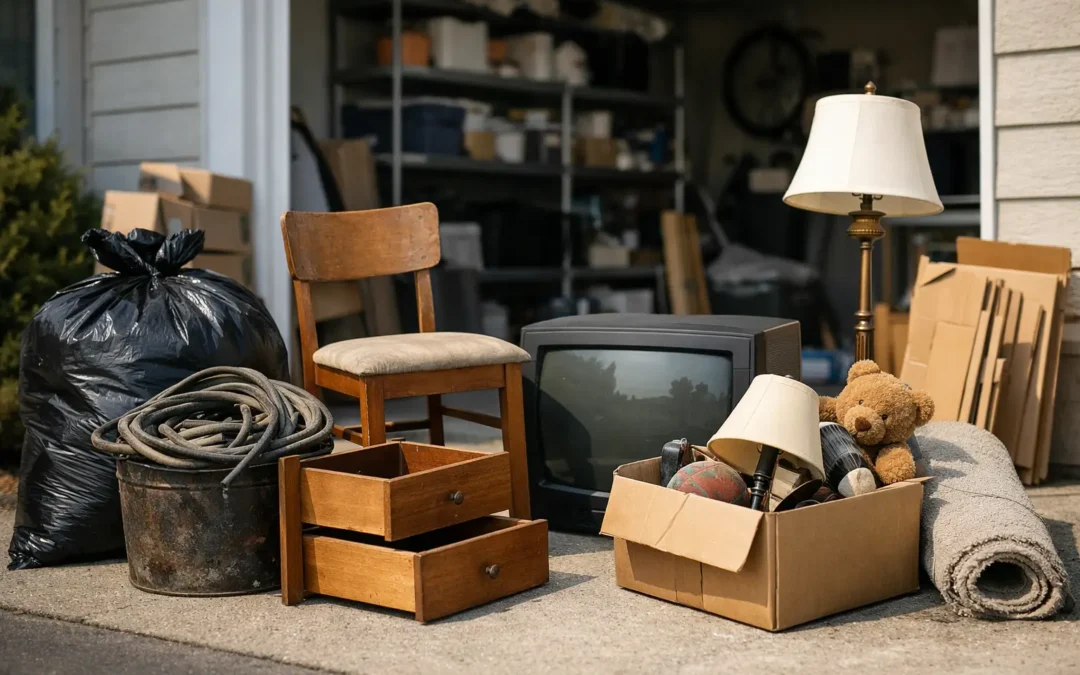
Most people do not ask what are cleanouts until they are standing in front of a packed garage, an emptied office, a rental full of leftover junk, or a property that needs to be turned over fast. At that point, the question is less about definition and more about getting the mess gone without losing a weekend, hurting your back, or making ten trips to the dump.
A cleanout is a full-scale removal service for clearing unwanted items, debris, and clutter from a space. Unlike a single-item pickup, a cleanout usually means there is enough material, furniture, trash, or leftover contents to require sorting, lifting, loading, hauling, and basic site cleanup. The goal is simple: get the area cleared and usable again.
What are cleanouts, exactly?
In plain terms, cleanouts are larger removal jobs for homes, apartments, offices, garages, storage areas, yards, and job sites. They are often needed when a space has built up too much junk over time or when a property is changing hands and needs to be emptied quickly.
That can include old furniture, broken appliances, boxes of unwanted belongings, renovation debris, yard waste, office equipment, mattresses, shelving, and general trash. Sometimes the job is organized and straightforward. Other times it is a mix of heavy items, loose debris, and things that have been sitting untouched for years.
What makes a cleanout different from regular junk pickup is scale and labor. If you have one couch to remove, that is a simple pickup. If you have a garage packed wall to wall, a rental unit after a move-out, or an office suite that needs to be cleared before new tenants arrive, that is a cleanout.
Common situations where cleanouts make sense
Cleanouts come up more often than people expect. Homeowners use them when clutter gets out of hand, when they are preparing for a remodel, or when they finally decide to reclaim the garage. Renters may need one before moving or after inheriting leftover items from a roommate. Landlords and property managers often need fast cleanouts between tenants, especially when people leave furniture, trash, or damaged items behind.
For businesses, cleanouts usually happen during office moves, warehouse reorganizations, retail closures, or after years of old equipment piling up in back rooms. Contractors use cleanout services to remove construction debris, demo material, and bulky waste that would otherwise slow down the job site.
There are also tougher situations, like estate cleanouts or foreclosure cleanouts, where timing and discretion matter just as much as hauling. In those cases, having a crew handle the labor can take a lot of pressure off the people involved.
What is usually included in a cleanout service?
A professional cleanout is more than showing up with a truck. In most cases, the work includes removing items from wherever they are located, carrying them out safely, loading everything, hauling it away, and cleaning up loose debris afterward.
That means you usually do not need to drag everything to the curb or sort every pile in advance. A full-service crew can remove items from garages, attics, offices, storage rooms, backyards, and other parts of the property. If there are stairs, tight hallways, or heavy pieces, that is part of the job.
Some cleanouts are simple volume jobs, where the main question is how much truck space the material will take. Others are labor-heavy, especially when items are scattered, packed tightly, or mixed with trash and debris. That is one reason cleanout pricing can vary from one job to the next.
What are cleanouts not?
It helps to know where the line is. A cleanout is not the same as standard housekeeping, deep interior cleaning, or hazardous waste disposal. Junk removal teams clear out unwanted items and debris, but they usually are not there to scrub floors, remove biohazards, or handle materials that require special permits.
There can also be limits on what a company will take. Paint, chemicals, asbestos, and certain regulated materials may need a different type of disposal service. That is why a clear upfront estimate matters. It sets expectations before anyone starts lifting.
How pricing usually works
Most cleanout jobs are priced based on a mix of truck volume, labor, accessibility, and disposal costs. If a job fills a small part of the truck and everything is easy to reach, the cost is usually lower. If the crew has to remove heavy appliances from a second floor, clear a packed-out shed, or load construction debris, the labor side goes up.
Disposal fees also matter. Not everything costs the same to dump. Mattresses, appliances, yard waste, mixed debris, and certain bulky items can carry different fees depending on local rules and transfer stations.
This is where upfront pricing matters. A good cleanout company should be able to look at the job, explain what affects the price, and give you a clear quote before the work starts. That keeps things straightforward and helps you decide what makes sense for your timeline and budget.
When a DIY cleanout works and when it does not
Not every cleanout requires a crew. If you have a small amount of light junk, access to a truck, time to spare, and a place to dispose of everything properly, doing it yourself can work.
But DIY gets harder fast when the job involves heavy lifting, bulky furniture, repeated dump runs, tight deadlines, or large amounts of loose debris. It also gets complicated when you are trying to clear a property before a sale, get a rental ready for the next tenant, or keep a commercial space running with minimal disruption.
The trade-off is simple. Doing it yourself may save money on a small job, but it can cost you more in time, effort, disposal fees, and hassle on a larger one. For many people, the value of a cleanout service is not just hauling. It is getting the entire job handled in one shot.
What to expect on cleanout day
If you have never booked one before, the process is usually straightforward. First comes the estimate. A company will ask what needs to go, how much there is, and where the items are located. In some cases, photos are enough. For bigger or more complicated jobs, an on-site quote may make more sense.
Once the price is approved, the crew arrives, confirms the scope, and starts removing items. You point out what stays and what goes. From there, the work is mostly hands-off for you. The crew handles the lifting, loading, hauling, and a final sweep-up of the area.
That speed matters when you are on a deadline. Same-day or next-day service can make a big difference for landlords, property managers, contractors, and business owners who cannot afford delays. In a market like Covina and the surrounding area, that kind of responsiveness is often the difference between a smooth turnover and a backed-up schedule.
Choosing the right cleanout company
If you are comparing providers, look for clarity over sales talk. You want a company that shows up when scheduled, explains pricing before the job starts, and handles your property with care. That matters whether you are clearing a house, an office, a yard, or a construction site.
It also helps to choose a team that does full-service hauling rather than curbside-only pickup. Cleanouts are rarely neat. The easier they make the process for you, the better the service actually is.
A local company often has an advantage here because they know the service area, disposal logistics, and scheduling demands. More importantly, they depend on reputation. That usually means better communication, better follow-through, and less runaround.
Why cleanouts are really about getting space back
At the surface level, a cleanout removes junk. But what people usually care about is what happens after that. The garage can finally fit a car again. The rental can be shown. The office can be reorganized. The yard can be used. The job site can move forward.
That is why cleanouts are worth understanding. They are not just for extreme situations. They are for any point where clutter, debris, or leftover contents are getting in the way of using a space the way you need to use it.
If you are looking at a room, property, or work site and thinking there is too much to handle on your own, that is usually the sign. A cleanout is the service that turns a big, messy job into a finished one, and sometimes that is exactly what it takes to move on to the next thing.