A foreclosure property rarely needs just a quick trash pickup. More often, it needs real foreclosure debris removal help – the kind that clears out leftover furniture, bagged trash, broken fixtures, yard waste, and renovation debris without dragging the job out for days. When a property has to be cleaned, secured, and made ready for sale or turnover, speed matters, but so does doing it right.
For landlords, property managers, investors, and agents, the biggest problem is usually not figuring out what has to go. It is getting enough labor, truck space, and disposal handled fast enough to keep the property moving. A vacant home can sit longer than it should when debris removal turns into a stop-and-start project.
What foreclosure debris removal help usually includes
Every foreclosure cleanout is a little different. Some homes are mostly empty with a few bulky items left behind. Others have full rooms of abandoned belongings, damaged cabinets, old mattresses, broken appliances, spoiled food containers, shed contents, and piles of mixed trash in the garage or yard.
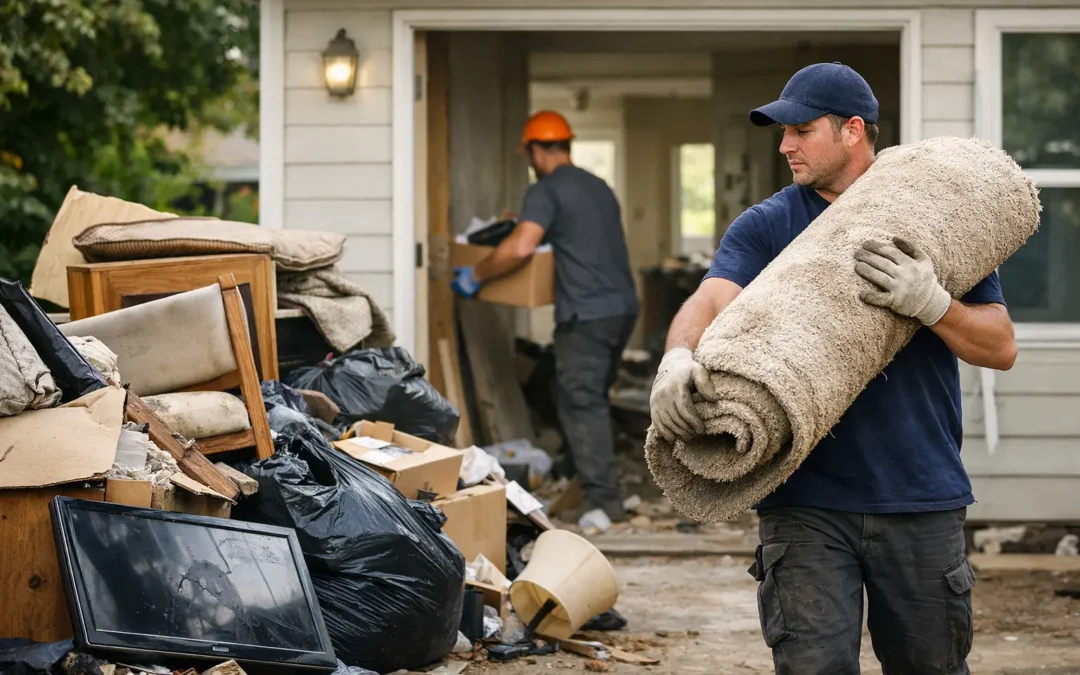
A full-service crew typically handles the heavy lifting, loading, hauling, and basic sweep-up after the debris is removed. That matters because foreclosure jobs are rarely neat. The waste can be spread across bedrooms, attics, crawl spaces, backyards, and curbside areas, and it often includes items that are awkward or unsafe to move alone.
In practical terms, foreclosure debris removal may cover furniture, appliances, electronics, bagged trash, carpeting, fencing, yard debris, and construction material left from unfinished repairs. It may also involve removing items from tight spaces or upper floors. What it usually does not include is hazardous waste handling for chemicals, biohazard cleanup, or work that requires a licensed specialist. That is where it helps to ask questions up front instead of assuming every kind of material can go in the same truck.
Why foreclosure debris removal help is different from a standard junk pickup
A normal junk removal appointment is often straightforward. Someone has a couch, an old washer, and a few boxes in the garage. A foreclosure property is different because the condition is less predictable, the volume is higher, and the timeline is often tied to inspections, repairs, listing photos, or handoff to a new occupant.
There is also the issue of access. Utilities may be off. Gates may be locked. Interior pathways may be blocked. In some cases, the property has been vacant long enough that weather, pests, or vandalism have made the cleanup more complicated. That does not always mean the project is difficult, but it does mean experience matters.
This is why many owners and managers prefer a crew that offers full-service hauling instead of a dumpster drop-off alone. A dumpster can work if you already have labor on site and enough time to load it. If you need the property cleared quickly with minimal coordination, labor plus hauling is usually the faster option.
What to expect before the job starts
The best cleanouts start with a clear scope. That means identifying what stays, what goes, and whether there are any access issues or disposal limits. If the property is in rough shape, photos can help set expectations before anyone arrives. On-site estimates are even better for larger cleanouts because they reduce guesswork.
Pricing is usually based on truck space, labor, and disposal costs. That is standard in junk removal because not all loads are equal. A few mattresses and a sofa take up space fast. Dense construction debris may take more labor and disposal weight even if it looks like less volume. Stairs, distance from the truck, and tight access can also affect job time.
Upfront pricing matters here. In a foreclosure situation, you may already be juggling locksmiths, cleaners, contractors, and paperwork. The last thing you need is vague pricing or a team that cannot explain what is included.
How to make a foreclosure cleanout move faster
If you want the job done with fewer delays, a little prep goes a long way. The first step is confirming legal access and making sure the property can be entered without waiting on another party. The second is separating obvious keep items from debris so nothing important gets hauled by mistake.
It also helps to think in phases. Some properties need a first pass just to remove trash and abandoned contents. After that, there may be a second load for demo debris, old carpeting, fencing, or yard cleanup. Trying to force every task into one appointment can work, but it depends on the property condition and how much labor is available that day.
If the home is heading to market, timing the cleanout around other services makes a difference. Removing debris before deep cleaning, repairs, and photos keeps other crews from working around piles of junk. That saves time and usually makes the property look better sooner.
Common items found in foreclosure cleanouts
Most foreclosure jobs include a mix of bulky items and loose debris. Furniture is common, especially worn couches, broken bed frames, dressers, and dining sets. Appliances may be outdated, damaged, or disconnected. Garages tend to hold the most surprises, from shelving and scrap material to paint cans, tires, and old tools.
Yards can be just as time-consuming as the interior. Fallen branches, fencing, playsets, hot tub debris, and general overgrowth often need to be removed before landscapers or maintenance teams can step in. If the property has had partial renovation work, there may also be drywall, tile, cabinets, countertops, or flooring piled inside.
Not every item can be handled the same way. Some materials can be donated or recycled when they are in usable condition. Others go straight to disposal. A good crew will sort based on what makes sense for the load, local rules, and the condition of the materials.
When same-day or next-day service matters
Sometimes foreclosure debris removal help is planned. Other times, it becomes urgent because a walkthrough uncovered more debris than expected or a closing date moved up. In those cases, same-day or next-day availability can make a real difference.
Fast service is especially useful when the property is blocking another job. Contractors cannot start efficiently if every room is still filled with junk. Photographers cannot do much with a cluttered house. New tenants or buyers should not be stepping around abandoned debris.
For customers in and around Covina, working with a local crew can cut down on scheduling delays and missed arrival windows. Local service is not just about distance. It usually means better communication, better accountability, and fewer handoffs between call centers and field crews.
Choosing the right company for foreclosure debris removal help
The right company should be easy to deal with from the first call or text. You want clear communication, realistic scheduling, and pricing that makes sense before the truck is loaded. If a company is vague about what it removes, how it prices, or when it can actually show up, that is a warning sign.
Look for a team that does full-service labor, not just hauling. Foreclosure jobs are physical. Items may be scattered, damaged, or buried under other debris. A crew should be prepared to do the lifting, loading, and cleanup without expecting you to organize the whole property first.
It also helps to work with people who understand that these jobs are often tied to bigger deadlines. A cleanout is not the final goal. It is what allows the next step to happen. That might be repairs, listing, turnover, or securing the property for inspection.
At I Am Junk, LLC, that practical approach is the whole point. You point to what needs to go, and the crew handles the hauling, loading, and cleanup so the property can move forward.
The real value of a clean foreclosure property
A cleared property is easier to inspect, safer to walk through, and faster to repair. It shows better, smells better, and gives buyers or tenants fewer reasons to hesitate. Just as important, it reduces the stress on whoever is managing the turnover.
Foreclosure cleanouts are not glamorous work. They are heavy, dirty, and time-sensitive. But when the right crew handles the debris removal, the whole project starts to feel manageable again.
If you are dealing with a foreclosure property, the smartest move is usually the simplest one: get the debris out fast, get the site cleaned up, and give the property a fair chance to be used again.