
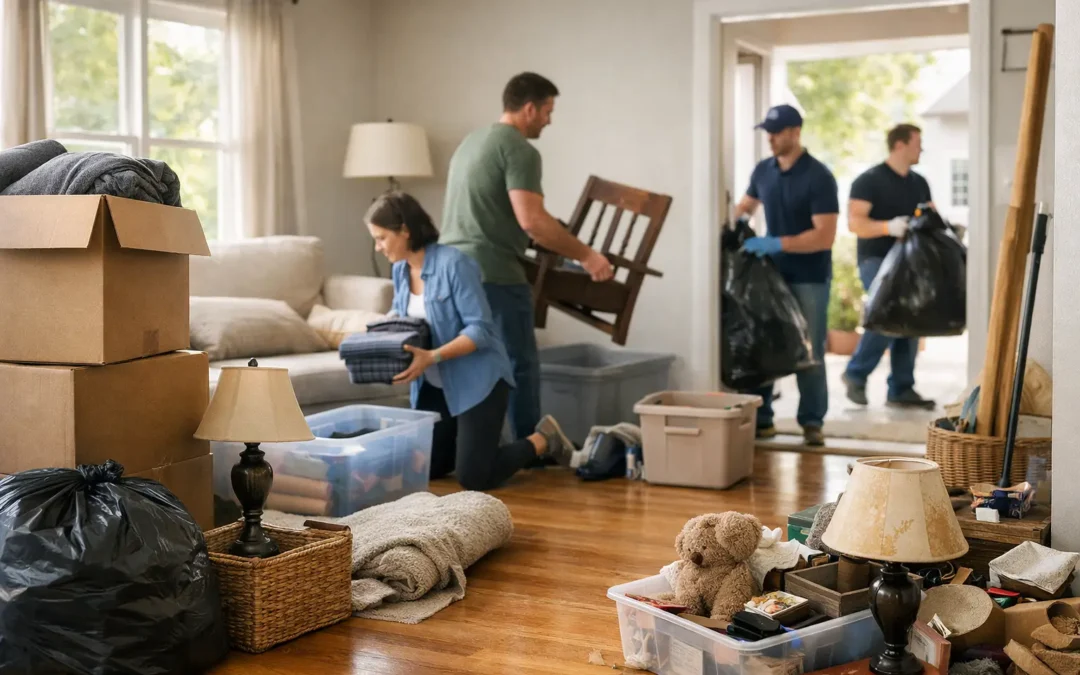
When a house, apartment, garage, or rental unit gets overloaded with unwanted items, the hardest part is usually not deciding what has to go. It is figuring out what happens next. If you have ever wondered what the residential cleanout process explained in plain English should actually sound like, the answer is simple: assess the job, schedule the service, sort what stays and what goes, remove everything safely, then leave the space clean and ready for its next use.
That sounds straightforward because it should be. A good cleanout company does not make the job more complicated. It shows up on time, gives clear pricing, does the heavy lifting, and gets your space back under control without a lot of back-and-forth.
What the residential cleanout process explained really means
A residential cleanout is more than basic junk pickup. It usually involves clearing out a larger area or an entire property rather than grabbing one couch or a single appliance. That might mean cleaning out a garage packed with old storage bins, emptying a rental after a move-out, removing furniture from an estate, or clearing years of clutter from multiple rooms.
The process varies depending on the size of the job, access to the property, and the type of material involved. A small cleanout may take less than an hour. A larger job with stairs, bulky furniture, or scattered debris can take much longer and require more labor. That is why the best cleanout process starts with a real assessment instead of a vague guess.
Step 1: Start with a quote and a clear scope
The first step is defining what needs to be removed. Some customers already know exactly what is going. Others need to walk the property and decide room by room. Either way, the goal is to create a clear scope before the crew starts loading.
For many jobs, this can begin with a phone call, a text, or a few photos. If the cleanout is larger or more complicated, an on-site estimate may make more sense. This is especially true when the property includes heavy items, a large amount of loose debris, or access challenges like narrow hallways, upper-floor units, or limited parking.
Upfront pricing matters here. Residential cleanouts are commonly priced based on how much truck space the material takes up, how much labor is involved, and whether there are special disposal costs. That means two cleanouts that look similar at first glance can price differently. A garage full of boxes is not the same as a garage full of broken tile, old shelving, and paint cans.
Step 2: Separate what stays from what goes
Before removal begins, there should be no confusion about what is being taken. This sounds obvious, but it is one of the most important parts of the job. In a cleanout, especially after a move, renovation, or family transition, it is easy for keep items and haul-away items to sit close together.
A careful crew will confirm everything before loading. If you are preparing for a cleanout, it helps to set aside valuables, personal papers, medications, and anything you want to keep. If possible, place those items in a separate room, vehicle, or clearly marked area.
This step is where a lot of stress gets removed from the process. Once the keep items are protected, the rest of the job moves faster. You do not have to second-guess every box or piece of furniture while the crew is working.
Step 3: The team handles the lifting, loading, and hauling
This is the part most people actually need help with. A full-service residential cleanout means you do not drag furniture to the curb, break down shelving, or carry heavy loads from the backyard to the truck. You point out what needs to go, and the crew does the labor.
That includes lifting bulky items, navigating stairs and tight doorways, loading efficiently, and hauling everything away. Good crews work with care, especially inside occupied homes or rental properties where walls, floors, gates, and driveways can easily get damaged if the job is rushed.
There is also a practical side to this. Large cleanouts often involve more than household clutter. You may have old mattresses, worn-out couches, broken appliances, yard debris, cabinets, or leftover remodeling materials mixed together. Each of those items creates its own handling needs. Some are heavy, some are awkward, and some cannot be disposed of with general waste.
That is why professional cleanout service saves more than time. It reduces injury risk, avoids disposal mistakes, and keeps the job moving without multiple trips or rented equipment.
How the residential cleanout process explained affects pricing
A lot of customers ask the same question: why can a cleanout quote vary so much from one property to another? The short answer is volume, labor, and disposal.
Volume refers to how much space the junk takes in the truck. Labor covers the time and effort required to remove it. Disposal reflects what the material costs to drop off legally and responsibly. A first-floor cleanout with neatly stacked items is faster than clearing loose debris from a second-story unit with no elevator. The amount might be the same, but the work is not.
This is also why transparent pricing matters more than low teaser rates. A low number over the phone does not help if the final bill changes after the truck is half full. A dependable company should explain what drives the price before the job starts, not after.
What can slow a cleanout down
Even a simple residential cleanout can hit delays if the property is not ready or the material is more complicated than expected. Access is a big factor. Locked gates, blocked hallways, limited parking, or apartment rules about elevator use can all add time.
The condition of the material also matters. Loose trash, broken glass, water-damaged furniture, and mixed debris usually take longer than clean, easy-to-grab items. If there are hazardous materials involved, those may require separate handling or may not be accepted at all. Paint, chemicals, fuel, and certain types of waste are common examples where you want to ask first instead of assuming everything can go in one load.
None of this means the job cannot be done. It just means a realistic quote and timeline depend on honest details upfront.
How to prepare for a smoother cleanout
You do not need to do much before the crew arrives, but a little preparation helps. First, identify everything that must stay. Second, make sure pathways are accessible if you can do so safely. Third, let the company know about stairs, large furniture, or special items ahead of time.
If the cleanout is happening at a rental or inherited property, it helps to have decision-makers on the same page before the appointment. Delays often happen when someone arrives on-site and realizes half the items still need approval. A ten-minute conversation before service can save an hour of confusion later.
If you need speed, same-day or next-day service may be possible depending on the company and workload. That can be a major advantage when you are dealing with a move-out deadline, property turnover, or a surprise inspection.
When a residential cleanout makes the most sense
Not every junk job requires a full cleanout. If you only have one or two items, standard junk removal may be enough. But when the job involves multiple rooms, a storage area, a garage, or an entire unit, a cleanout is usually the better fit.
It is especially useful for landlords between tenants, families managing an estate, homeowners after a renovation, and renters who need to clear a place fast before handing over keys. In those situations, convenience matters as much as disposal. You are not just paying to get rid of stuff. You are paying to avoid the time, labor, truck rental, dump run, and cleanup that come with doing it yourself.
For property owners and residents around Covina, working with a local company also tends to make scheduling and communication easier. A nearby crew can often respond faster, give a more realistic arrival window, and understand the pace customers expect when a job cannot wait.
What the finished result should look like
At the end of a proper cleanout, the space should feel usable again. That does not mean deep cleaning, repairs, or staging unless those services are separately offered. It means the unwanted material is gone, the area is swept up, and you are not left staring at a pile of debris where the junk used to be.
That final detail matters more than people think. A cleanout should create visible progress. Whether you are preparing a property for sale, making room in the garage, or just trying to breathe easier in your own home, the result should be immediate and clear.
If you are looking at a packed room or an overstuffed garage and putting it off because the job feels too big, that is usually the sign to stop trying to solve it one bag at a time. The right cleanout process is not complicated. It is clear pricing, reliable service, and a crew that shows up ready to do the work.