
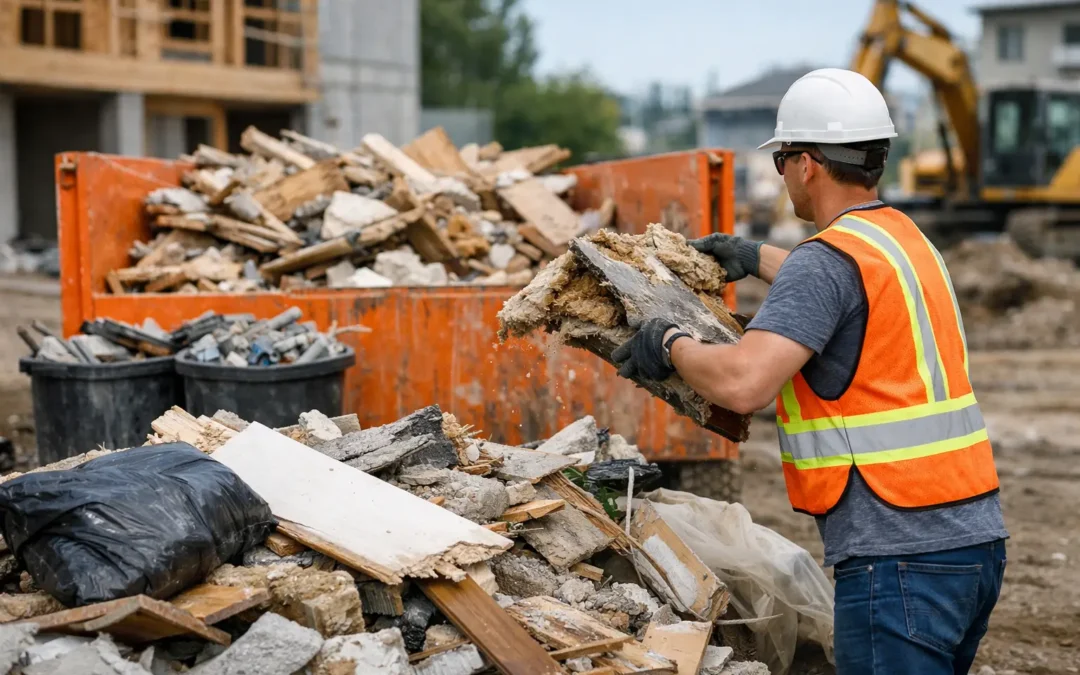
A remodel can look productive by noon and feel out of control by three. Drywall scraps pile up, busted tile spreads dust everywhere, and old cabinets start blocking walkways before the new work is even finished. That is where construction debris removal stops being an afterthought and starts becoming part of keeping the job moving.
Whether you are updating a kitchen, clearing out a rental after repairs, or managing a small commercial build-out, debris adds up fast. The problem is not just appearance. Loose material slows crews down, creates safety issues, and turns a straightforward project into a longer, messier one. Getting it off-site quickly helps protect the work area and gives everyone room to do the job right.
Why construction debris removal matters during a project
On paper, hauling away debris sounds simple. In practice, it usually means heavy lifting, repeated trips, careful loading, and figuring out what can actually be taken where. That becomes a problem when your time is already tied up with permits, scheduling, deliveries, and the work itself.
A clean site is easier to work in. Contractors can move materials without stepping around broken concrete or lumber offcuts. Property owners can see progress more clearly. Tenants, customers, or neighbors are less likely to deal with nails, dust, and clutter creeping into areas that should stay usable.
There is also the issue of momentum. Once debris starts piling up, it tends to stay in the way until someone is forced to deal with it. That delay can cost more than people expect. Crews lose time. Access gets tighter. Final cleanup becomes bigger than it needed to be. Fast removal keeps a project from dragging under the weight of its own mess.
What counts as construction debris removal
Most people think of concrete chunks and wood scraps first, but construction debris covers a wider range of materials. It often includes drywall, plaster, flooring, tile, insulation, lumber, fencing, roofing material, cabinets, countertops, windows, doors, and fixtures removed during demolition or renovation.
Some jobs are light and straightforward, like hauling out old vanity pieces and tile from a bathroom remodel. Others are heavier and more labor-intensive, such as clearing brick, dirt, or broken patio concrete from an exterior teardown. The mix matters because labor, loading time, truck space, and disposal costs can vary a lot depending on what is actually on site.
That is why one-size-fits-all pricing usually does not tell the full story. A neat stack of wood by the curb is different from loose debris scattered through a backyard or second-floor unit. The amount of effort involved changes the job.
When to schedule debris removal
The best time depends on the project. For a short demo, one pickup at the end may be enough. For a longer renovation, periodic removal often makes more sense. Keeping waste moving out in stages helps maintain safer access and avoids that point where the site becomes harder to manage than the actual build.
Homeowners usually notice this first during kitchen, bath, and flooring projects. The work starts small, then suddenly there are boxes, cutoffs, packaging, and torn-out materials taking over the garage, driveway, or side yard. Landlords and property managers run into the same issue during turnover work, especially when repairs need to happen fast before the next tenant moves in.
Contractors often benefit from scheduling removal before the final push. Waiting until the entire job is done can leave crews working around debris that should have been gone days earlier. A mid-project haul can free up valuable space and make final cleanup much easier.
What a full-service approach actually saves you
There is a big difference between having debris picked up and having the whole removal process handled. Full-service hauling means you do not have to gather a crew, rent a truck, load heavy material, sweep up after, and then figure out the proper disposal route yourself.
That convenience matters most when the materials are awkward, dirty, or heavier than they look. Concrete, tile, cabinets, and broken fixtures are not just bulky. They are rough to carry, hard on vehicles, and time-consuming to load safely. Even lighter materials like drywall and insulation create enough dust and mess to turn a quick DIY dump run into half a day of work.
For property owners, full-service removal means less disruption. For contractors, it means your crew stays focused on the build instead of becoming the cleanup team. For landlords and business owners, it means the space can get back to usable condition sooner.
What affects the cost of construction debris removal
Most customers want a simple answer on price, and that is fair. The honest answer is that cost usually comes down to volume, weight, labor, and disposal requirements.
Volume matters because truck space is limited. Weight matters because materials like dirt, concrete, brick, and roofing can load a truck quickly even when the pile does not look huge. Labor matters when debris is inside a structure, upstairs, behind a fence, or spread across multiple areas. Disposal matters because some materials cost more to process than others.
Transparent pricing should be based on what the job really involves, not vague estimates that change once work starts. That is especially important with construction debris, where two piles of the same size can require very different effort depending on what is in them.
If you are comparing providers, ask how pricing is calculated, whether cleanup is included, and whether the quote covers labor and hauling from the location where the debris actually sits. Clear expectations up front prevent surprises later.
Common situations where debris removal helps most
Construction debris removal is useful well beyond major commercial jobs. It solves everyday cleanup problems that happen around homes, rentals, offices, and small business properties.
After a home renovation, debris often sits longer than expected because the main contractor has moved on to the next phase. During rental turnover, old flooring, damaged cabinets, and leftover repair material can delay make-ready work. At offices and retail spaces, interior updates create a mix of packaging, fixtures, and demolition waste that needs to disappear quickly so business can continue.
There is also the cleanup nobody plans for – the partial DIY project that stalled, the garage full of old building material, or the side yard stacked with leftover fencing and broken pavers from months ago. In those cases, the job is less about active construction and more about reclaiming space.
Choosing the right debris removal team
The right company should make the process easier, not add another layer of coordination. You want clear communication, dependable scheduling, and upfront pricing. You also want a crew that treats the property with respect while moving fast.
That matters whether you are a homeowner standing in the middle of a messy remodel or a contractor trying to keep a job site clean and on schedule. Showing up late, changing the price, or leaving scattered debris behind defeats the point of hiring help in the first place.
A local company often has an edge here because local service depends on reputation. In places like Covina and the surrounding San Gabriel Valley, people remember who answers the phone, who arrives when promised, and who leaves a clean result. That kind of accountability is hard to fake.
For customers who need quick turnaround, same-day or next-day availability can also make a real difference. A debris pile sitting in a driveway over a weekend may be an inconvenience for one household and a serious problem for a business or active rental property. Speed matters, but only if it comes with reliability.
Cleaner sites make better projects
People usually call for construction debris removal because they want the junk gone. What they get, when the job is handled well, is more than that. They get safer walkways, better access, less stress, and a property that feels under control again.
That is the real value. A clean site helps work happen the way it should. It gives homeowners breathing room, keeps rentals moving, and helps contractors stay focused on the build instead of the mess around it. If the debris is already slowing you down, it is time to clear it out and get your space working for you again.