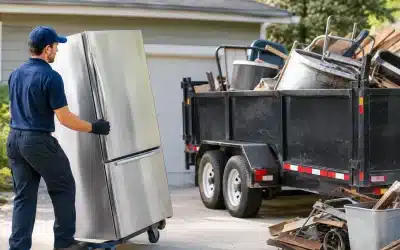
A cleanout can look simple until you open the garage, storage room, back office, or spare bedroom. Then the questions start: What stays? What can be donated? Can that old refrigerator go with regular trash? Who is handling the heavy furniture? This property cleanout planning guide helps you make those decisions before the job turns into a long, frustrating weekend.
Start With the Reason for the Cleanout
The reason behind the cleanout determines the plan. A homeowner getting ready to move has different priorities than a landlord turning over a rental, a contractor clearing debris, or a business owner closing an office. Start by identifying the deadline and the condition the property needs to be in when the work is done.
For a move, the goal may be reducing what you pack and leaving the property clean. For an estate cleanout, the priority is usually sorting personal belongings carefully before anything is removed. For a rental turnover, speed matters, but so does checking for tenant property, damage, and items that may need documentation. On a job site, the biggest concern may be keeping walkways clear and removing debris without holding up the next phase of work.
Write down the target date, then work backward. If keys need to be handed over Friday morning, do not schedule the cleanout for Thursday night. Give yourself room for sorting, final checks, and unexpected items.
Property Cleanout Planning Guide: Walk the Space First
Before you rent a dumpster, borrow a truck, or book hauling, walk through the entire property with your phone or a notepad. Open closets, cabinets, sheds, attic access points, and storage units. The items people forget are often the ones that change the size and labor needed for a cleanout.
Take photos of larger piles and bulky items. This gives you a more accurate starting point when requesting a quote and makes it easier to explain the job to anyone helping you. Note difficult access too, such as upstairs furniture, narrow hallways, a long walk from the unit to parking, locked gates, or limited loading zones.
A cleanout price is not only about how much space items take up in a truck. Labor, stairs, distance from the loading area, heavy materials, and disposal requirements can all affect the job. Clear information upfront leads to a clearer quote and fewer surprises on cleanout day.
Make Three Clear Decisions: Keep, Donate, or Remove
Do not try to organize every item perfectly before making a removal plan. That can slow the job down. Instead, create simple areas or use labels for items you are keeping, items you want to donate or pass along, and items that need to be hauled away.
Be realistic about the “maybe” pile. If you have not used something in years, it is broken beyond practical repair, or it has no place in the next home or business, it is usually adding work without adding value. A cleanout is meant to create usable space, not move clutter from one room to another.
For estate, tenant, or business cleanouts, set aside paperwork, photos, personal records, cash, keys, and small valuables before hauling begins. Check desks, filing cabinets, drawers, coat pockets, and old boxes carefully. Once a load is removed, retrieving a missed item may not be possible.
Identify Items That Need Special Handling
Many household and commercial items can be removed in one visit, including furniture, mattresses, appliances, boxes, shelving, old electronics, yard waste, and general junk. Some materials need a different plan because they cannot go into a standard junk load or may have local disposal rules.
Ask about these items before scheduling service: paint, chemicals, fuels, propane tanks, batteries, ammunition, medical waste, asbestos-containing materials, and other hazardous waste. If you are not sure what a product is, leave it sealed and take a photo of the label. Guessing can create a safety problem for everyone involved.
Construction debris also needs an honest inventory. Clean wood, drywall, tile, concrete, roofing material, dirt, and mixed debris can have different hauling and disposal costs. A small pile of broken tile may be easy to remove. A pile that is mostly concrete or soil is much heavier and may require a different loading plan.
Choose the Right Cleanout Method
A DIY cleanout can work for a few bags, light boxes, or one small item when you have time, a suitable vehicle, and a legal place to dispose of everything. It becomes less practical when the job includes bulky furniture, large appliances, multiple rooms, heavy debris, or a hard deadline.
A dumpster gives you time to load at your own pace, but it takes up space, can require permit approval in some locations, and leaves all lifting to you. It also may not be the best fit for a property with limited driveway space or a strict move-out date.
Full-service junk removal is often the simpler option when you want the work handled in one visit. You point out what needs to go, and the crew handles the lifting, loading, hauling, and a final sweep of the area. This is especially helpful for landlords between tenants, families handling an estate, businesses clearing offices, and contractors who need a site kept clear.
The right choice depends on your timeline, volume, access, and how much labor you are willing to take on. The cheapest-looking option is not always the least expensive once you factor in truck rental, fuel, disposal fees, multiple trips, and your own time.
Prepare the Property for Hauling Day
A little preparation helps a cleanout move fast and protects the property. Clear a path from the items to the exit. Move vehicles if they block access to the garage, driveway, or loading area. Keep pets in a safe room or off-site, and make sure someone with authority to approve the job is available.
If items are staying, mark them clearly or move them into a separate room. This matters most in garages, shared storage spaces, offices, and rentals where keep-items may be close to the removal pile. A quick walk-through with the crew before work begins prevents confusion.
For apartment buildings, condos, and commercial properties, check building rules ahead of time. You may need to reserve an elevator, notify management, use a specific entrance, or avoid certain loading hours. These details are easy to miss and can delay an otherwise straightforward job.
Ask for Upfront Pricing and Clear Scope
A dependable hauling company should explain how pricing works before loading begins. Most cleanout jobs are based on the amount of truck space used, along with labor and any special disposal needs. The final scope should be clear: what is being removed, what is staying, and whether there are conditions such as stairs, heavy items, or long carrying distances.
Do not settle for vague answers if you are managing a tight budget. Ask whether the estimate includes labor, hauling, disposal, and cleanup of loose debris after the items are loaded. If your pile grows before the appointment, send updated photos or call ahead. Honest communication protects your schedule and helps avoid last-minute changes.
Plan for the Final Check, Not Just the Pickup
The cleanout is not finished when the truck leaves. Walk the space one more time. Check cabinets, closets, sheds, drawers, and corners. Confirm that personal items, keys, remotes, documents, and anything required for the next tenant, buyer, or contractor are still where they belong.
Then look at the result with the property’s next use in mind. A garage may need sweeping before it can store a car again. A rental may need repairs or cleaning. An office may need desks repositioned before employees return. Removing the unwanted items is the turning point, but the final condition of the space is what makes the cleanout worthwhile.
If you need fast, full-service help in Covina or the surrounding San Gabriel Valley, I Am Junk, LLC can handle the heavy lifting while you focus on what comes next. A good cleanout plan gives every item a decision, every worker a clear path, and every property a fresh start.