A restaurant can close for many reasons: a lease ends, ownership changes, a concept moves, or the business simply needs to shut its doors. Whatever the reason, restaurant closure cleanup is rarely as simple as taking out a few trash bags. Commercial kitchens, dining rooms, storage areas, and back offices can hold years of equipment, furniture, supplies, and debris. Clearing it all out takes a plan, physical labor, and fast decisions about what stays, what gets sold, and what needs to go.
The goal is not just an empty room. It is a clean, accessible property that is ready for a landlord walkthrough, a new tenant, remodeling work, or final handoff. A full-service junk removal crew can handle the heavy lifting so owners, managers, and staff can focus on the next step.
What Restaurant Closure Cleanup Usually Includes
Every restaurant closes with a different amount of material left behind. A small cafe may need tables, chairs, shelving, and a few appliances removed. A full-service restaurant may have a packed kitchen, walk-in storage, office furniture, fixtures, signage, and a dining room full of bulky items.
Common items removed during a closure include dining tables and chairs, booths, bar stools, damaged furniture, shelving, prep tables, small appliances, office desks, filing cabinets, cardboard, packaging, and non-hazardous construction debris. Old menu boards, displays, portable racks, and unused inventory fixtures can also take up valuable space.
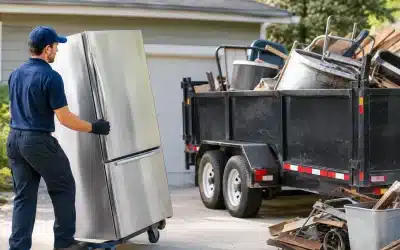
Large commercial equipment needs a closer look before removal. Refrigerators, freezers, ice machines, ovens, fryers, hoods, and dishwashers may have resale value or may require specialized handling. Some units contain refrigerants, grease, or utility connections that should be addressed before a hauling crew arrives. If an item is still connected to gas, water, electric, or a hood system, have the appropriate professional disconnect it first.
Food, grease, chemicals, and other regulated materials are another category. Standard junk hauling is a good fit for general debris and unwanted items, but it is not a substitute for hazardous waste disposal. Separate cleaning chemicals, used cooking oil, propane cylinders, and any questionable materials before scheduling the cleanout. That keeps the job safe and prevents surprises on removal day.
Start With the Deadline, Not the Clutter
The biggest mistake during a restaurant closure is waiting until the last few days to start clearing the space. Lease deadlines, final inspections, and vendor pickups can all land at once. When a property must be vacant by a specific date, the cleanup should be scheduled backward from that deadline.
First, confirm what the lease requires. Some landlords expect the space broom-clean only. Others require all tenant improvements, signs, grease traps, furniture, and equipment to be removed. If the restaurant is being sold or transferred, the incoming tenant may want certain pieces left in place. Get those expectations in writing before hauling begins.
Next, walk the property room by room. The dining room is obvious, but the hidden volume is often in dry storage, the walk-in, employee areas, the office, patio, and behind the building. Identify what will be kept, sold, donated, returned to a vendor, or hauled away. A quick tagging system can prevent a costly mix-up. Use clear labels such as “keep,” “pickup,” and “remove,” especially when several people are helping with the closure.
It also helps to gather keys, access codes, loading instructions, and parking information before the crew arrives. Restaurant locations in busy shopping centers or downtown areas may have limited loading access. A clear plan saves time and keeps the removal moving.
Decide What Is Worth Selling Before You Haul
Not every item should go straight onto a junk truck. Functional commercial equipment, quality seating, stainless steel tables, and usable smallwares may be worth selling to another operator. But value depends on condition, age, local demand, and how quickly the property must be cleared.
If you have weeks to work with, listing higher-value equipment may make sense. If the lease ends tomorrow, spending days negotiating with buyers can cost more in rent, labor, or missed turnover time than the items are worth. Be realistic about what will actually sell and when it can be picked up.
Vendor-owned equipment should be handled separately. Beverage coolers, point-of-sale devices, leased ice machines, linen bins, and beverage gas cylinders may belong to a supplier. Call those vendors early and schedule their return pickups. Leaving them until the end can delay the final cleanout.
Once the sale items and vendor returns are set aside, a removal crew can clear the remaining material in one organized visit. This is often faster than trying to coordinate multiple buyers, friends with pickup trucks, and separate dump runs.
Why Full-Service Hauling Makes a Difference
Restaurant items are bulky, awkward, and often dirtier than they appear. Booth sections do not fit easily through tight doors. Steel prep tables are heavy. Old refrigerators and storage racks can be difficult to move without damaging walls, floors, or door frames. Dumpsters can help with general debris, but they do not provide labor, loading, sorting, or final site cleanup.
With full-service removal, you point out what needs to go and the crew handles the lifting, loading, hauling, and sweep-up. That is especially useful when the restaurant is on an upper floor, inside a shopping center, or working around a narrow service corridor.
Upfront pricing also matters. Restaurant cleanouts are usually priced by the volume of material, labor needed, access conditions, and disposal requirements. A clear on-site quote gives you a chance to approve the cost before work starts. If there are unusually heavy items, stairs, long carry distances, or special disposal needs, those should be discussed before loading begins.
For business owners in Covina and the surrounding San Gabriel Valley, I Am Junk, LLC can provide practical, local help when a closing timeline leaves little room for trial and error. Dependable scheduling and straightforward communication matter when keys, inspections, and final lease obligations are on the line.
A Better Order for Clearing a Closing Restaurant
The order of work can make a cleanup safer and less stressful. Start by removing perishable food and arranging proper disposal for grease, chemicals, and regulated materials. Then separate anything being retained, sold, or picked up by a vendor. This prevents usable assets from being accidentally removed with the junk.
After that, clear smaller loose items from shelves, cabinets, offices, and storage rooms. Once these areas are open, larger furniture and equipment are easier to access. Dining-room furniture, back-of-house shelving, broken fixtures, and general debris can then be loaded efficiently.
Leave a final walkthrough for the end. Check closets, roof-access storage, under-counter areas, patios, employee lockers, and exterior enclosures. Restaurants often have forgotten signs, old paper records, spare chairs, cleaning tools, and packaging stacked where customers never see them. A final sweep is far easier when the major items are already out.
Protect the Property During Removal
A rushed cleanout should not create new repair bills. Clear a path to the loading area, protect vulnerable door frames where necessary, and make sure no one drags heavy equipment across finished floors. If the space has a shared hallway, common loading dock, or restricted hours, coordinate with property management before work begins.
Take photos before and after removal. They provide a clear record of the condition of the space and can be useful during a landlord handoff. If the lease requires patching walls, removing decals, or repairing floors, schedule that work after the space is empty and accessible.
When Same-Day Cleanup Is the Right Call
Same-day service can be helpful when a buyer backed out, a landlord moved up an inspection, or a former tenant left behind a mess. It is also useful after the major equipment has already been removed and the remaining job is furniture, boxes, shelving, and general debris.
That said, same-day availability does not solve every closure issue. Equipment that needs disconnection, refrigerant recovery, grease handling, or special disposal still needs the right preparation. Calling early gives you more flexibility, but a fast hauling crew can remove a major burden once the space is ready.
A closed restaurant does not need to become a long cleanup project. Sort what matters, prepare the property, and get reliable help for the rest. A cleared, swept-out space gives you a cleaner handoff and one less problem to carry into whatever comes next.