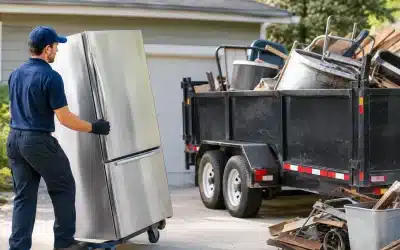
That old refrigerator in the garage can look like a simple Saturday errand until it is halfway down the driveway, strapped awkwardly to a truck, and still has nowhere legal to go. When weighing appliance removal versus self hauling, the right choice comes down to more than the advertised dump fee. Your time, vehicle, safety, local disposal rules, and the condition of the appliance all matter.
For some small, manageable appliances, hauling it yourself makes sense. For heavy, bulky, or regulated items, full-service removal can save a lot of work and prevent costly problems. Here is how to make the call without guessing.
Appliance Removal Versus Self Hauling: What You Are Really Paying For
Self hauling may look cheaper at first because you are not paying a crew for labor. But the true cost is usually a combination of vehicle use, fuel, disposal fees, equipment, and the hours it takes to complete the job.
A typical appliance pickup can involve clearing a path, disconnecting the item, moving it safely outside, loading it without damaging your vehicle, driving to the right facility, waiting in line, unloading it, and cleaning up afterward. If the appliance is on a second floor, in a tight laundry room, or behind other clutter, that job gets harder fast.
Professional appliance removal includes the labor and logistics that homeowners and property managers often underestimate. A crew handles the lifting, loading, hauling, and sweep-up, while also sorting out the appropriate disposal route. You point to what needs to go, and the work is handled from there.
That convenience is especially valuable when a move-out, tenant turnover, renovation, or appliance delivery has a deadline. A low-cost DIY plan is not a bargain if it delays the next step of the project.
When Self Hauling Makes Sense
Self hauling can be a practical option when the appliance is small enough to move safely, you have the right vehicle, and you already know where it will be accepted. A countertop microwave, compact dehumidifier, or small window AC unit may be manageable if you can transport it securely.
It also makes sense when you are already making a trip to an approved facility and have help available. Two capable adults, a clear route to the vehicle, a dolly, tie-down straps, gloves, and a truck or trailer make a major difference. Do not assume an appliance will fit safely in an SUV or pickup bed just because it fits through a doorway.
Before you load anything, confirm that the destination takes that exact item. Facilities can have different rules, fees, hours, quantity limits, and requirements for refrigerant-containing appliances. A transfer station may accept a washer but turn away a refrigerator without proof that refrigerant was properly removed.
Self hauling is best when all the details are already in your favor. If you need to rent a truck, recruit help, buy moving supplies, or make multiple disposal stops, the savings can disappear quickly.
The hidden costs of a DIY trip
The biggest surprise with self hauling is that the dump fee is rarely the only cost. There may be fuel, vehicle rental, mileage charges, protective materials, appliance dolly rental, and disposal charges. There is also the risk of scratched flooring, damaged walls, a strained back, or a dented vehicle.
Time has value, too. A job that takes a professional crew 20 minutes may take several hours when you include planning, loading, driving, and unloading. For busy homeowners, landlords, contractors, and office managers, that time is often better spent getting the property ready for what comes next.
When Professional Appliance Removal Is the Better Move
Full-service removal is usually the safer choice for large appliances such as refrigerators, freezers, washers, dryers, dishwashers, ovens, and commercial equipment. These items are heavy, difficult to grip, and often located in the least convenient part of the building.
Refrigerators and freezers require extra care because they may contain refrigerant. Older units can also be awkwardly balanced and surprisingly heavy. Trying to muscle one down stairs or through a narrow hallway can damage the property or injure the people doing the lifting.
Professional removal is also a strong fit when the appliance is part of a larger cleanout. If you have furniture, boxes, electronics, yard waste, or construction debris leaving at the same time, one pickup is usually much easier than a series of personal dump runs. Pricing based on truck space and labor can be clearer than juggling separate rentals and trips.
For residents and businesses around Covina, a local crew can be particularly helpful when speed matters. I Am Junk, LLC provides upfront pricing and handles the heavy lifting, so you do not have to build your day around hauling an appliance across town.
Situations where DIY becomes risky
A few conditions should make you pause before self hauling: stairs, narrow doorways, poor access, water damage, a disconnected gas line, an appliance that still contains food or ice, or an item that has been sitting in a garage for years. These situations call for a plan, not a rushed lift.
Never try to disconnect a gas appliance unless you know how to do it safely. Gas lines, electrical connections, and water hookups may need attention before removal. If you are unsure, have the appliance properly disconnected before any hauling begins.
Disposal Rules Can Decide the Question
Appliances are not all handled the same way. Metal recycling may be possible for many units, but refrigerant appliances, electronics, and items with batteries or hazardous components can have separate requirements. Illegal dumping or leaving an appliance at the curb without an approved pickup can lead to fines and creates a problem for your neighbors.
A professional removal company does not simply toss everything into one pile. The goal is to route items appropriately based on what they are and what local facilities accept. That may include recycling usable materials, donating eligible items when practical, and disposing of the rest through approved channels.
If you haul the appliance yourself, call ahead before you leave. Ask whether the facility accepts the item, what it costs, whether it must be drained or prepared, and whether you need documentation for refrigerant recovery. Getting those answers first can save you from loading an appliance twice.
How to Make the Best Choice for Your Job
Start with the appliance itself. Consider its weight, size, condition, and whether it contains refrigerant, water, gas connections, or electrical components. Then look honestly at the path from its current location to your vehicle. One step, one tight turn, or one steep driveway can change the job completely.
Next, add up the real DIY cost. Include your disposal fee, fuel, rental equipment, vehicle capacity, possible truck rental, and the time required. If you need help, consider whether the people helping can safely manage the load. A friend doing you a favor should not have to risk an injury moving a 250-pound refrigerator.
Finally, think about the deadline. If a new appliance is arriving, a tenant is moving in, a house is being listed, or a contractor needs a clear work area, reliable scheduling may matter more than squeezing out a small amount of savings. Professional service is not only about carrying the item. It is about getting the space cleared on time.
A Better Way to Clear the Space
There is no single answer to appliance removal versus self hauling. A small, easy-to-transport item and an available recycling facility may make DIY worthwhile. A heavy refrigerator, a multi-item cleanout, or a tight deadline usually calls for help.
The practical goal is simple: get the appliance out safely, keep the property protected, and avoid turning one unwanted item into a full-day headache. Choose the option that leaves you with a clear space and no loose ends.