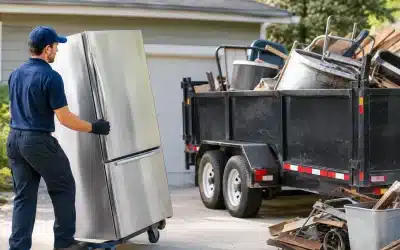
A tenant hands over the keys, but the apartment is still full of a couch, mattress, dining set, and boxes of unknown belongings. Turnover cannot begin until the space is clear. The best solutions for tenant leftover furniture start with protecting the property owner, following the right process, and choosing the fastest responsible way to remove what is truly abandoned.
For landlords and property managers, this is not just a clutter problem. Leftover furniture can delay cleaning, repairs, showings, and a new lease. It can also create a dispute if items are removed before the former tenant has been properly notified. A clear plan keeps the unit moving and prevents an already frustrating move-out from becoming more expensive.
Start by Confirming the Furniture Is Abandoned
Furniture left in a rental is not automatically junk the moment a tenant moves out. The tenant may have left items behind by mistake, may be returning for them, or may still have a legal right to retrieve them. This matters most after an eviction, an abrupt move-out, or a situation where a tenant has not clearly surrendered possession.
Before scheduling removal, document what is in the unit. Take date-stamped photos and videos of each room, including close-ups of valuable-looking furniture, electronics, personal papers, or anything with identifying information. Make a basic inventory. It does not need to be complicated, but it should be accurate enough to show what was left and the condition it was in.
Then review the lease, move-out communications, and applicable local and state requirements. California has specific rules around personal property left behind by former tenants, including notice and storage requirements in many situations. The right process can depend on the circumstances, the value of the property, and whether the tenancy has legally ended. When there is any doubt, get advice from a qualified property management or legal professional before disposing of items.
Do not treat these steps as red tape. A few photos and a written record can save a landlord from a bigger problem later.
Best Solutions for Tenant Leftover Furniture: Choose by Condition
Once you have completed the required notice or storage process and the furniture can be removed, the best option depends on its condition, volume, and how quickly the property needs to be rent-ready. There is no single answer for every cleanout.
Keep or reuse usable pieces
A clean, sturdy dresser, table, shelving unit, or patio furniture may have value for the property. Some landlords keep practical pieces for a furnished rental, maintenance storage, or a future staging need. This only makes sense if the item is genuinely useful and you have a dry, secure place to store it.
Do not keep furniture simply because it might be useful someday. Storage costs, pests, and clutter can quickly outweigh the value of an old couch or damaged bed frame. If the piece will sit unused for months, removal is usually the better call.
Donate furniture that is clean and in good shape
Donation can be a strong choice for usable furniture, especially when the next turnover is not urgent. Many organizations will accept items that are clean, safe, and in good working order. Some may offer pickup, while others require delivery.
Donation is not a fit for heavily stained mattresses, broken particleboard furniture, torn upholstery, or items with pest concerns. Donation centers can refuse items at pickup, which leaves the property manager back where they started. Be honest about condition before arranging a donation.
Sell items with real resale value
Higher-quality furniture, newer appliances, antique pieces, and recognizable brand-name items may be worth selling. This route can help offset turnover costs, but it takes time. You need photos, listings, messages, no-shows, and a safe way for buyers to pick up the furniture.
Selling works best when there are only a few valuable items and the unit is not urgently needed. For a full apartment of average used furniture, the labor involved often costs more than the resale return. A fast cleanout may be the more practical business decision.
Schedule a full-service furniture removal
When a unit contains bulky furniture, mixed household junk, old appliances, and bags of debris, professional junk removal is usually the fastest answer. A full-service crew handles the lifting, loading, hauling, and sweep-up, so your maintenance team can focus on repairs and make-ready work.
This option is especially useful for second-floor units, narrow staircases, heavy sleeper sofas, mattresses, and properties with strict dumpster rules. It also avoids the common problem of placing furniture at the curb and hoping bulk pickup happens before a code enforcement issue or a neighbor complaint.
At I Am Junk, LLC, the process is simple: show the crew what needs to go, approve upfront pricing, and let the team clear it out. For property managers around Covina and the San Gabriel Valley, same-day availability can make a major difference when a new tenant is waiting.
What Not to Do With Leftover Furniture
The fastest-looking option is often the one that creates more work. Avoid moving furniture to another vacant unit, a hallway, a stairwell, or a shared dumpster area. This can block access, violate fire safety rules, damage common areas, and shift the problem to the next person.
Do not leave upholstered furniture at the curb without confirming local collection rules. Mattresses, large appliances, and oversized pieces are often handled differently from regular trash. Illegal dumping is also not a solution, even when a tenant left the mess behind.
Be cautious with items that may contain bed bugs, mold, animal waste, broken glass, needles, chemicals, or unknown liquids. These situations may require special handling. Tell the removal company what you see before the appointment so the crew can arrive prepared and provide an accurate quote.
A Simple Turnover Plan That Saves Time
The best cleanouts happen when property staff follow the same process every time. After lawful possession is confirmed, document the items, separate anything that requires storage or special handling, then decide whether usable pieces are worth donating or selling. Everything else should be cleared promptly so cleaners, painters, and repair crews can get to work.
For larger jobs, request a quote based on the amount of truck space needed, labor, access, and disposal requirements. A transparent on-site price is helpful because furniture cleanouts vary widely. One studio apartment with a sofa and a few bags is not the same as a three-bedroom unit filled with heavy furniture, appliances, and garage overflow.
If the unit must be turned quickly, do not spend days trying to give away low-value items one at a time. Your vacancy cost may be higher than the savings. Fast removal is often the better investment when it gets the property back on the market sooner.
When a Cleanout Is the Right Call
A professional cleanout is usually the right move when furniture is taking up multiple rooms, the former tenant left mixed debris behind, or your staff does not have the time or equipment to move heavy items safely. It is also a practical choice after a difficult eviction, a probate-related move-out, or an abandoned rental where the condition is uncertain.
The goal is not just to empty the unit. It is to get the property clean, accessible, and ready for its next purpose without adding unnecessary stress to your team. Once the proper notice and storage steps are complete, clearing the furniture quickly gives you back control of the turnover schedule.