That garage door opens, and there it is: boxes from three moves ago, a broken patio chair, paint cans, kids’ gear, old appliances, and the things nobody wants to make a decision about. The best ways to declutter garage space are not about buying more bins first. They are about making clear decisions, moving unwanted items out quickly, and giving the things you keep a practical home.
A garage should make daily life easier. It can hold your car, tools, seasonal items, sports equipment, or business supplies. When it becomes a catch-all storage unit, every project takes longer and every trip through the garage feels like work. A focused cleanout can change that in a day.
Start With a Realistic Garage Goal
Before pulling out a single box, decide what the garage needs to do for you. Do you want room to park? Are you preparing a rental property for a new tenant? Do you need a clean workspace for tools or contractor equipment? The answer determines what earns space.
Be specific. “I want it organized” is hard to act on. “I want both cars inside by Sunday” gives you a clear standard for every item you touch. If an item does not support the garage’s purpose, it should be moved, donated, recycled, or hauled away.
It also helps to set a time limit. Most garages do not need a full weekend of endless sorting. Block out a few hours for the first pass, then schedule a second session only if necessary. A deadline keeps you from opening every memory box and getting stuck on small decisions.
The Best Ways to Declutter Garage Items Fast
The fastest method is to empty one defined zone at a time. Start with the area near the door, one wall, or a single row of shelving. Do not pull everything into the driveway unless you have enough time, help, and good weather to finish the job. A half-sorted garage creates more stress than the original clutter.
Create four simple destinations: keep, donate, recycle, and remove. Keep the categories visible with labeled boxes, tarps, or marked spots in the driveway. Every item should go somewhere immediately. Avoid a fifth “maybe” pile whenever possible. Those piles usually become permanent clutter with a different name.
Ask practical questions, not emotional ones. Have you used the item in the last year? Is it working? Would you buy it again today? Do you have more than one? Can it be replaced easily if you ever need it? A working spare shovel may be useful. Five cracked plastic storage tubs probably are not.
Some items need extra care. Old chemicals, paint, batteries, motor oil, electronics, and propane tanks may have local disposal rules. Do not toss hazardous materials into regular trash or mix unknown liquids together. Set those items aside for proper handling and check local guidance before disposal.
For large, awkward items, make the decision early. Broken furniture, worn mattresses, dead appliances, old shelving, scrap wood, and bulky boxes can block progress because they are difficult to move. If you know they are leaving, do not spend the afternoon shifting them from one side of the garage to the other. Put them in the removal area and arrange hauling when your sorting is done.
Sort by Use, Not by Where Things Landed
Garage clutter often builds up because items get stored where there is an open spot rather than where they make sense. Once you know what is staying, group it by how and when you use it.
Put everyday items near the entrance or at eye level. This might include recycling bins, frequently used tools, pet supplies, or sports gear. Seasonal items can go higher or farther back. Holiday decorations, camping equipment, and winter supplies do not need prime access if they are only used a few times a year.
Keep automotive supplies together, gardening tools together, and household repair items together. This sounds basic, but it prevents duplicate purchases and cuts down on searching. If you cannot find your extension cord, you may buy another one. A clear home for each category saves money as well as space.
Be careful with sentimental items. A garage is usually not the best long-term place for photos, family papers, heirlooms, or delicate keepsakes because heat, dust, moisture, and pests can cause damage. Keep a small, intentional collection and move valuable items indoors or to a better-protected space.
Clear Out the Bulky Stuff Before Organizing
Storage systems work only after the unnecessary volume is gone. It is easy to spend money on shelves, hooks, and containers while the garage still holds a damaged sofa, unused refrigerator, leftover construction debris, or bags of items waiting for “someday.” Remove the big obstacles first.
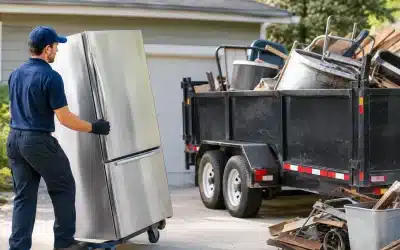
This is where many homeowners lose momentum. The items may be too heavy for one person, too large for a regular trash pickup, or too time-consuming to transport. If the job involves bulky furniture, appliances, yard waste, or a full garage cleanout, full-service junk removal can be the practical choice. You point to what needs to go, and the crew handles lifting, loading, hauling, and a basic cleanup of the cleared area.
For Covina and nearby San Gabriel Valley properties, I Am Junk, LLC can help when the garage project has crossed from simple sorting into a real hauling job. Upfront pricing matters here. A clear quote based on volume, labor, and disposal needs helps you decide whether to tackle small items yourself or have the heavy load handled in one visit.
Donation can be a good option for clean, usable items, but it has trade-offs. Donation centers may not accept worn furniture, damaged goods, large appliances, or mixed boxes. If an item is not in usable condition, do not let it sit in the garage for another six months while you wait for the perfect donation plan.
Give Everything You Keep a Simple Home
Once the floor is clear and the remaining items are grouped, organize for access instead of appearance. Wall-mounted hooks, sturdy shelving, clear bins, and labeled containers can help, but you do not need a showroom garage. You need a system that makes it easy to put things back.
Use vertical space for long-handled tools, bikes, ladders, and lightweight seasonal gear. Keep heavy items on lower shelves and avoid stacking boxes so high that retrieving one becomes unsafe. Clear bins are useful when you need to see contents quickly, while solid bins may be better for items that need protection from dust or light.
Labels should be simple enough that anyone in the household can follow them. “Camping,” “Holiday Lights,” and “Car Care” work better than a detailed inventory nobody will update. If a category is too broad, split it only when it solves a real problem. Too many tiny categories can make a garage harder to maintain.
Leave some empty space on purpose. A garage that is packed wall to wall will fill up again quickly. Open floor area makes it easier to park, sweep, bring in groceries, work on a project, or temporarily hold one incoming item without starting another clutter pile.
Keep the Garage From Filling Back Up
The final step is small but important: make a rule for new items. When something enters the garage, decide where it belongs that day. Do not set it down “for now.” That is how a clean garage slowly becomes a storage problem again.
A quick check every season is usually enough. Before summer, review outdoor gear and yard tools. Before the holidays, clear space for decorations and visitors. If you manage a rental, office, or job site, schedule cleanouts around turnover dates or project milestones instead of waiting until debris becomes a bigger, more expensive issue.
A garage does not need to be perfect to be useful. It needs clear walkways, accessible essentials, and enough room to do what you need it to do. Make the hard decisions once, remove what no longer serves you, and give the remaining items a place that makes sense. The next time you open that garage door, you should see space you can use.