A garage cleanout can leave you staring at a stack of old furniture, broken appliances, boxes of mystery items, and one big question: do junk haulers recycle items? Often, yes – but not every item can be recycled, and not every item belongs in the same place.
A professional junk removal crew does more than load a truck and head to the nearest landfill. The job is to sort through what can be reused, donated, recycled, or properly disposed of based on the item’s condition, local facility rules, and safety requirements. The goal is simple: clear your space without creating more work for you.
Do Junk Haulers Recycle Items or Just Throw Them Away?
Responsible junk haulers look for the best available destination for the materials they collect. That may mean a recycling facility for metal, cardboard, or electronics; a donation center for usable household goods; a green-waste site for branches and yard debris; or a disposal facility for items that cannot be recovered safely.
The honest answer is that it depends on what you have. A solid wood dresser may be reusable. A refrigerator may contain recyclable metal but also needs proper handling because of its refrigerant. A stained, damaged sofa may have no practical reuse or recycling option. Good hauling companies do not promise that every item will avoid the landfill, because that would not be realistic.
What they can do is separate materials where possible and use appropriate disposal channels instead of treating every load like general trash. That matters when you are clearing a home, rental unit, office, job site, or storage space with a mix of materials.
What Items Are Commonly Recycled?
Many everyday junk removal items contain materials that recycling facilities can recover. Metal is one of the clearest examples. Old bed frames, shelving, filing cabinets, exercise equipment, grills, tools, and certain appliances often contain steel, aluminum, copper, or other recyclable metals.
Cardboard, clean paper, and some plastics may also be recyclable, especially during office cleanouts or move-outs where there are large volumes of boxes and packaging. The key word is clean. Wet, greasy, moldy, or heavily contaminated paper products are less likely to be accepted.
Appliances and Electronics Need Special Attention
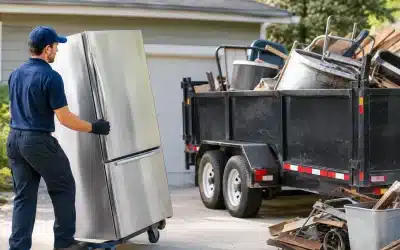
Appliances are not all handled the same way. Washers, dryers, ovens, and water heaters may be valuable mainly for their metal. Refrigerators, freezers, air conditioners, and dehumidifiers require additional care because they can contain refrigerants that must be removed and managed properly.
Electronics should not automatically go in the trash. Computers, monitors, televisions, printers, phones, cables, and other e-waste may contain recoverable materials, but they can also contain components that need controlled processing. If you are getting rid of a computer or phone, remove personal information first. A hauling crew can remove the item, but protecting your data starts before pickup.
Yard Waste and Construction Debris May Be Separated
Branches, leaves, brush, and other yard waste can often be taken to a green-waste facility rather than mixed with household debris. Construction materials are more complicated. Clean wood, metal, concrete, brick, and asphalt may have recycling options, while painted, treated, contaminated, or mixed materials can be harder to recover.
For contractors and property owners, separating materials before a large demolition or renovation cleanup can make the process more efficient. It may also reduce the amount of mixed debris that has to be disposed of as waste.
What Can Be Donated Instead?
Donation is different from recycling. Recycling breaks materials down for reuse. Donation keeps a usable item in service for someone else.
Furniture, clothing, kitchenware, books, toys, and working appliances may be donation candidates if they are clean, safe, and in usable condition. A couch with no major tears or odors may help someone furnish a home. A desk from an office cleanout may still have years of life left. That said, donation centers have their own acceptance rules and may turn away damaged, oversized, outdated, or unsanitary items.
A good rule of thumb is to ask whether you would feel comfortable giving the item to a friend or neighbor. If the answer is no because it is broken, heavily worn, or unsafe, it is probably not a donation item. Being realistic saves time and prevents a cleanup crew from hauling items to a center that cannot accept them.
Why Some Items Cannot Be Recycled
Recycling is not a catch-all solution. Facilities need materials that are safe to process, reasonably clean, and accepted within their system. Mixed-material items are one of the biggest challenges. For example, upholstered furniture can contain fabric, foam, wood, metal springs, glue, and padding. Taking it apart may not be practical or cost-effective.
Condition matters too. A cracked plastic bin, wet mattress, mold-damaged cabinet, or heavily soiled carpet may not have a recovery option. The same is true for many low-value plastics that local programs do not accept.
Hazardous materials are another category entirely. Paint, chemicals, gasoline, propane tanks, pesticides, batteries, medical waste, and certain automotive fluids often require specialized disposal. Do not assume they can be placed in a junk pile without checking first. Tell your hauler exactly what is on the property so the crew can advise you on safe next steps.
How to Help Your Junk Hauler Recycle More
You do not need to sort an entire garage like a recycling center before your appointment. Full-service junk removal is meant to save you time and labor. Still, a few simple steps can help make responsible disposal easier.
First, point out items you believe are reusable, recyclable, or hazardous. A crew can make the final call based on condition and local acceptance rules, but the information helps. Second, keep dangerous materials separate and do not hide them in boxes, bags, or appliances. Third, remove personal records, medications, and data-bearing devices before the team arrives.
If you have a large load of one material – such as cardboard from a warehouse, metal shelving from an office, or green waste from a landscaping project – mention it when requesting a quote. That gives the hauling company a clearer picture of the job and helps them plan the right disposal route.
Questions to Ask Before Booking a Pickup
You deserve a clear answer about where your items are likely to go. Ask whether the company separates recyclable materials, whether usable goods may be donated when accepted, and how appliances or e-waste are handled. You can also ask if there are items they cannot take or materials that need a special disposal arrangement.
Pricing is worth discussing too. Junk removal pricing is commonly based on the amount of truck space used, labor involved, and disposal costs. Heavy materials such as concrete, dirt, roofing, or dense construction debris may cost more to haul because of weight and facility fees. Upfront pricing keeps the job straightforward and helps you avoid surprises once the truck is loaded.
For homeowners, landlords, and business owners, the biggest benefit is not having to make multiple trips, lift heavy items, or figure out where every category belongs. You point out what needs to go, and the crew handles the loading, hauling, and cleanup.
I Am Junk, LLC helps customers across the Covina area clear unwanted items with practical, respectful service and straightforward communication. If recycling or donation matters for your load, say so before pickup. Clear information at the start helps the crew handle your items the right way and leaves you with a cleaner space, not another problem to solve.