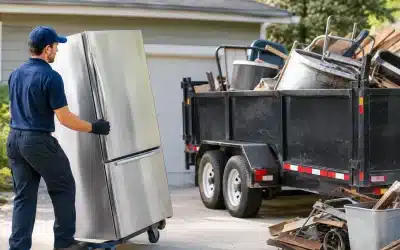
A packed storage room, broken office furniture, old display fixtures, or piles of construction debris can slow down a business fast. This commercial junk removal guide helps you plan the job, understand what affects the price, and get unwanted items out without pulling your team away from their real work.
Commercial cleanouts are rarely just about making space. You may be preparing for a move, turning over a rental unit, remodeling a storefront, clearing a job site, or getting an office ready for new employees. The right hauling plan keeps the work moving and leaves the property clean when the truck pulls away.
Start With the Scope of the Commercial Cleanout
Before scheduling removal, walk the space and decide what needs to go. Separate items that are staying from items that are being donated, recycled, disposed of, or moved to another location. A few minutes of sorting can prevent costly mistakes, especially in offices, warehouses, and retail spaces where equipment or records may be mixed in with junk.
Take note of where the items are located. Junk on a ground-floor loading area is usually quicker to remove than desks on a second floor with no elevator. Narrow hallways, locked gates, parking restrictions, and active work areas can all affect labor time and scheduling.
For larger jobs, it helps to estimate volume rather than count every item. A few chairs may take little truck space, while cubicles, shelving, mattresses, appliances, and bulky construction materials can fill a truck quickly. A professional crew can confirm the amount on site and give you an upfront price before the work begins.
Common Commercial Items a Hauling Crew Can Remove
Most business cleanouts include a mix of everyday clutter and oversized items that regular trash service will not take. Offices often need old desks, conference tables, filing cabinets, chairs, monitors, printers, breakroom furniture, and boxes of non-sensitive materials removed.
Retail businesses may be clearing racks, display cases, shelving, mannequins, damaged inventory, backroom clutter, and old signage. Property managers often need fast turnover help for abandoned furniture, mattresses, appliances, bagged trash, and leftover belongings after a tenant moves out.
Contractors and property owners may also need hauling for renovation debris. Wood, drywall, flooring, cabinets, carpet, tile, and packaging can pile up quickly during a remodel. The key is to identify materials early so the crew can bring the right truck capacity and plan for proper disposal.
Some items need special handling or cannot go in a standard junk load. Chemicals, paint, fuels, propane tanks, medical waste, and certain electronics may have separate disposal requirements. Ask about these items when you request a quote instead of placing them into the pile without notice.
Schedule Around Your Business, Not the Other Way Around
Downtime costs money. A removal crew should work around customer traffic, employee schedules, deliveries, and construction timelines whenever possible. For a small office cleanout, that may mean arriving early before staff comes in. For a retail space, it could mean hauling from the back entrance during slower hours.
If your location has shared parking, a loading dock, or building management rules, handle access ahead of time. Reserve a parking space near the entrance if you can. Let the crew know about elevator access, gate codes, stairs, security check-in procedures, and any areas that must remain clear.
For a large cleanout, assign one decision-maker to be available when the crew arrives. That person can point out what stays, approve the final price, and answer questions without forcing the job to stop. Clear direction at the start helps avoid confusion when multiple departments, tenants, or contractors are involved.
What Determines Commercial Junk Removal Pricing?
Straightforward pricing matters because commercial jobs vary widely. The final cost usually depends on how much truck space the load takes, the labor needed to remove it, and disposal fees for certain materials. A single damaged desk and chair is a different job from clearing a warehouse full of shelving and debris.
Access can also affect the price. Heavy items, long carry distances, multiple flights of stairs, dismantling work, and tight spaces may require more time and crew effort. This is not a reason to avoid professional removal. It is a reason to describe the job accurately so you receive a realistic quote.
Ask for pricing before hauling begins. A dependable junk removal company will assess the load, explain the cost, and get your approval before loading. That approach gives business owners and property managers a clear number instead of a surprise after the work is finished.
The lowest quote is not always the best value. A cheaper service that arrives late, leaves debris behind, or cannot handle the full load may create more work for your team. Look for clear communication, dependable scheduling, professional labor, and a cleanup standard that matches your property.
Keep Your Team Safe and Your Site Organized
Do not ask employees to wrestle bulky furniture down stairs or load sharp construction debris into personal vehicles. Beyond the time involved, there is a real risk of injury and property damage. A full-service crew handles the lifting, loading, hauling, and basic cleanup so your team can stay focused on operations.
Before removal day, clear a path to the items and move sensitive documents, cash drawers, customer files, and equipment that is not being hauled. If you are disposing of computers, phones, drives, or file cabinets, make sure your business has handled data security first. Removing a device does not erase the information on it.
At active construction sites, keep debris separate from tools and materials that are still in use. If there are nails, glass, or sharp metal pieces, tell the crew in advance. Good communication lets the team work safely and keeps the site cleaner for the next phase of the project.
A Commercial Junk Removal Guide for Fast Turnovers
Fast property turnovers depend on timing. When a tenant leaves furniture, trash, or fixtures behind, the cleanup cannot become the reason a unit sits empty. The same applies when a business closes, relocates, or remodels. The sooner the space is clear, the sooner cleaning, repairs, inspections, and new occupancy can begin.
For time-sensitive work, prepare a simple removal plan: identify the items, confirm access, take photos for an accurate quote, and set a pickup window that fits the project schedule. Same-day availability can be especially helpful when a contractor needs a site cleared before the next crew arrives or when a landlord needs a vacant unit ready for cleaning.
I Am Junk, LLC serves businesses, property managers, and contractors throughout Covina and the surrounding San Gabriel Valley with full-service hauling that keeps the process simple. You point out what needs to go, and the crew handles the heavy lifting.
Choose a Crew That Leaves the Area Clean
Removal is only part of the job. Once the truck is loaded, the work area should be swept up and ready for its next use. That matters in an office preparing for new furniture, a storefront getting ready to open, or a job site where other trades need clear access.
Before you book, confirm that the company can handle the type and volume of material you have, provides upfront pricing, and can meet your timeline. Share photos when possible, but expect the final assessment to happen on site. Photos help with planning, while an in-person look confirms volume, access, and labor needs.
A commercial cleanout does not have to become another project your staff manages for weeks. Make the call when the pile starts getting in the way, set clear boundaries around what goes, and let a professional hauling crew return the space to useful condition.