A remodel can look finished long before the job site actually feels finished. There may be drywall scraps in the driveway, old cabinets in the garage, packaging piled in a corner, and a trailer-sized mess that no one wants to load. Understanding construction cleanup versus junk hauling helps you book the right service, control the final stretch of your project, and get your space back faster.
Both services remove unwanted material, but they are not always the same job. The best choice depends on what is left behind, whether work is still underway, how much labor is needed, and how clean you need the area to be when the crew leaves.
What Is Construction Cleanup?
Construction cleanup is focused on clearing debris created by building, remodeling, demolition, or repair work. It can happen during the project, after a major phase of work, or once the contractor is finished.
A construction cleanup crew typically handles materials such as lumber offcuts, drywall, tile, carpet, flooring, insulation, roofing materials, cabinets, fixtures, cardboard, plastic wrap, and general job-site debris. The work often includes gathering scattered material, loading it, hauling it away, and broom-cleaning the area afterward.
This service makes the most sense when debris is spread throughout an active work zone. For example, a contractor may need a load removed after demolition so the crew has room to begin framing or installation. A homeowner may need final debris cleared after a bathroom remodel before the room can be cleaned, furnished, and used again.
Construction cleanup is about keeping a project moving. A cluttered site slows workers down, creates trip hazards, takes up staging space, and can leave a poor impression on clients or neighbors. For contractors and property managers, regular cleanup can be just as practical as scheduling deliveries or inspections.
Cleanup during a project versus final cleanup
During a project, cleanup is usually focused on debris control. Materials are removed so tradespeople can work safely and efficiently. The job site may still look unfinished afterward because additional work is planned.
Final construction cleanup happens when the building work is complete. The goal is a clear, presentable space with leftover materials, packaging, and bulky debris removed. It is not always the same as detailed post-construction cleaning, which may involve dusting surfaces, washing windows, polishing fixtures, and other fine cleaning tasks. A hauling crew clears the debris and leaves the area swept up, while detailed cleaning may require a separate cleaning service.
What Is Junk Hauling?
Junk hauling is full-service removal of unwanted items from homes, apartments, offices, garages, storage spaces, rental properties, and job sites. You point to what needs to go, and the crew handles the lifting, loading, hauling, and disposal.
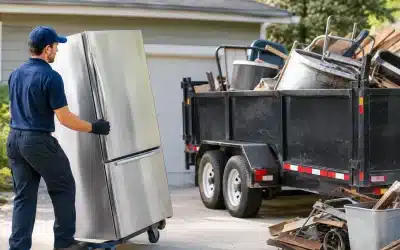
Junk hauling is especially useful when the pile is made up of large items or mixed materials. Think old furniture, appliances, mattresses, shelving, boxes, exercise equipment, yard waste, office chairs, cubicles, and leftover household clutter. It can also include construction debris when the materials are contained or when the job is primarily about removing a few bulky items.
For instance, replacing kitchen cabinets creates two different removal needs. If the room is full of demolition debris, cardboard, scraps, and broken materials, construction cleanup may be the better description. If the old cabinets, appliances, and a few boxes are sitting in the garage ready for pickup, junk hauling is likely the simpler fit.
The line between the services can overlap. What matters most is explaining what you have, where it is located, and whether it needs to be gathered first. A dependable hauler can match the crew, truck space, and labor to the actual job instead of forcing your project into a one-size-fits-all category.
Construction Cleanup Versus Junk Hauling: The Main Differences
The biggest difference is the condition of the material and the purpose of the service. Construction cleanup deals with the working mess created by a project. Junk hauling handles unwanted items that need to leave a property, whether they came from a renovation, move-out, cleanout, or regular household use.
Construction cleanup often involves loose debris spread over multiple areas. It may require more site labor, more careful sorting, and repeat pickups during longer projects. Junk hauling is often more straightforward: remove designated items from a garage, office, curbside pile, storage unit, or room.
Pricing can vary for the same reason. Most hauling jobs are priced based on truck space, labor, material type, and disposal fees. A neatly stacked pile of old flooring at the curb takes less time than debris scattered across a backyard, upstairs room, and driveway. Heavy materials such as concrete, dirt, roofing, or dense construction waste may also affect disposal costs.
Neither option is automatically cheaper. The right service is the one that reflects the work required. Clear details upfront help avoid surprises and make it easier to receive an honest estimate.
When Junk Hauling Is the Better Choice
Junk hauling is usually the better fit when your project is small, the materials are already gathered, or you are dealing with bulky items more than loose debris. It works well for homeowners who have finished a DIY project and want the leftovers gone without renting a dumpster or making multiple landfill trips.
It is also a practical choice for landlords and property managers preparing a unit for a new tenant. A turnover might include an old sofa, abandoned boxes, broken blinds, a damaged appliance, and a small amount of repair debris. Rather than coordinate separate pickups, one full-service hauling crew can clear the space in one visit.
Small business owners face similar situations. An office refresh may leave behind desks, chairs, shelving, electronics, packaging, and outdated décor. Junk hauling removes those items without asking employees to do the heavy lifting or use personal vehicles for disposal runs.
When Construction Cleanup Is the Better Choice
Choose construction cleanup when the debris is part of an active or recently completed build. This is common after demolition, flooring replacement, roofing work, tenant improvements, kitchen and bathroom remodels, and exterior repairs.
It is particularly helpful when debris is creating a bottleneck. Maybe the driveway is blocked by old materials, the backyard is filled with fence panels, or a contractor needs a cleared work area before the next crew arrives. Fast removal keeps the site safer and helps prevent a small mess from turning into a costly delay.
For larger jobs, ask whether you need a one-time cleanup or ongoing pickups. A single removal may be enough for a weekend remodel. A multi-week project may benefit from scheduled debris hauling at key stages. The right approach depends on the amount of waste, available space on-site, local disposal requirements, and your construction schedule.
Questions to Ask Before You Book
A few details make it easier to schedule the right service and get an accurate upfront price. Be ready to describe the material, estimate the size of the pile, and explain whether everything is in one location or spread around the property.
Photos can be especially helpful for construction debris. They show whether materials are bagged, stacked, loose, heavy, wet, upstairs, behind a gate, or mixed with other items. They also help identify materials that may need special handling.
Before any crew arrives, confirm what is included in the quote. Ask whether loading, labor, hauling, disposal, and basic site cleanup are part of the price. If you need same-day service or have a tight contractor schedule, mention that early. Good communication is what turns removal service from another project headache into a quick solution.
Keep Safety and Disposal in the Plan
Not every material belongs in a standard junk load. Paint, chemicals, fuel, propane tanks, asbestos-containing materials, and certain electronics may have separate handling or disposal requirements. If you are unsure about an item, say so before scheduling. It is better to identify special materials early than to have a pickup delayed on the day of service.
Heavy debris deserves extra attention too. Concrete, soil, bricks, and roofing materials can add up quickly, even when the pile does not look large. Keep walkways as open as possible, set aside anything you plan to keep, and make sure workers have safe access to the removal area.
For Covina-area homeowners, contractors, and property managers, I Am Junk, LLC provides the full-service labor that makes removal simple: you point, we haul. Whether your job calls for a construction debris pickup or a full cleanout, a clear quote and a crew that shows up on time can help you close out the work without adding another weekend of heavy lifting.