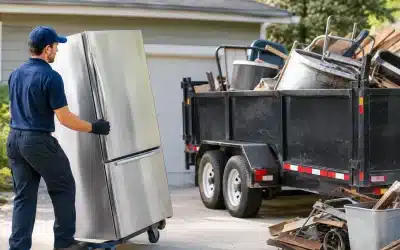
A job site can look under control at 8 a.m. and turn into a mess by lunch. Broken drywall, lumber cutoffs, old fixtures, packaging, and torn-out materials build up fast. Contractor cleanup keeps that debris from slowing down your crew, blocking access, or leaving the property owner with a rough final impression.
For contractors, property managers, and remodelers, cleanup is not an extra task to squeeze in at the end. It is part of keeping the work moving. A clear site is safer, easier to work in, and more ready for the next trade. When the debris is handled on time, your crew can stay focused on the work you are being paid to do.
Why Contractor Cleanup Matters During the Job
Waiting until the final day to deal with debris can create more problems than it solves. Piles of material take up space needed for tools, deliveries, staging, and walkways. They can also hide nails, sharp metal, broken glass, and other hazards that put workers and visitors at risk.
There is also the customer side of the job. Homeowners and commercial clients expect construction to be messy, but they still notice when waste starts spilling into the driveway, hallway, parking area, or neighboring property. Regular hauling shows that the site is being managed professionally, even while the work is still underway.
Cleanup timing depends on the job. A small bathroom remodel may only need a haul-away after demolition and one more pickup before the final walkthrough. A larger renovation, tenant turnover, or commercial build-out may need debris removal between phases. The right schedule is the one that keeps materials from becoming an obstacle without paying for unnecessary trips.
What a Contractor Cleanup Crew Can Remove
Construction debris is rarely one neat pile. A full-service crew can handle the heavy lifting, loading, hauling, and basic sweep-up after the items are removed. That means your team does not have to stop work to drag broken materials to the curb or figure out how to load a truck.
Common job-site items include:
- Drywall, plaster, tile, flooring, carpet, and insulation
- Lumber scraps, plywood, pallets, doors, cabinets, and trim
- Old appliances, fixtures, toilets, sinks, and countertops
- Cardboard, plastic wrapping, packaging, and general job-site trash
- Yard debris, fencing, sheds, and outdoor demolition material
Not every item belongs in a standard junk load. Paint, solvents, fuel, chemicals, asbestos-containing material, and certain other regulated waste need specialized handling. If you are unsure about a material, say so before scheduling pickup. Clear communication upfront helps avoid delays when the crew arrives.
Plan Debris Removal Around Your Work Phases
The best cleanup plan starts before demolition begins. Think about where debris will collect, how your crew will move it safely, and whether a truck can access the area without damaging landscaping, blocking tenants, or disrupting customers.
For many projects, demolition is the first major haul-away point. Removing old cabinets, flooring, fixtures, and wall material right after tear-out gives the next crew a cleaner space to work. It also makes it easier to spot issues behind walls or under floors before new materials go in.
A second pickup may make sense before finish work. Packaging from cabinets, appliances, flooring, and other deliveries can take up surprising amounts of room. Clearing those materials protects finished surfaces and keeps the site presentable as the job gets closer to completion.
On occupied properties, timing matters even more. A landlord preparing a unit between tenants may need fast removal so cleaning, painting, and repairs can start. A retail business may need hauling outside customer hours. A dependable cleanup partner should work with the conditions of the site, not add another scheduling headache.
Keep the Site Safer and Easier to Manage
Good contractor cleanup does more than make a site look better. It supports safer daily work. Crews should have clear paths from the work area to exits, trucks, and material storage. Debris should not be stacked where it can fall, shift, or block access to electrical panels, stairs, or doors.
It also helps to separate reusable materials from actual waste before the haul. If doors, cabinets, lumber, or fixtures are being saved, donated, or reused on another part of the project, set them aside and clearly identify them. This prevents good material from getting mixed into the removal pile during a busy day.
A quick end-of-day reset can make the next morning easier. Gather loose trash, consolidate scraps, protect sharp debris, and keep the removal area accessible. You do not need your crew to perform a full cleanout every evening. The goal is simply to keep the site workable until the hauling team arrives.
What Affects Contractor Cleanup Pricing
Straightforward pricing starts with an honest look at the load. Most cleanup jobs are priced by the amount of truck space used, the labor needed to remove the items, and disposal costs. Heavy materials such as concrete, dirt, tile, roofing, and large amounts of construction debris may cost more because of weight limits and disposal requirements.
Access can affect the price too. A pile beside an open driveway is different from debris on a second floor, behind a building, or at the end of a long narrow side yard. Stairs, tight access, oversized items, and extra sorting all add labor time.
The best way to avoid surprises is to describe the job clearly. Photos, an item list, and details about access help a junk removal company give a more accurate estimate. If the scope changes after demolition, communicate that early. A little clarity protects the schedule and the budget.
When It Makes Sense to Call for Hauling Help
Some crews have a trailer or truck available for small loads. That can work well for a few bags or light material. But once debris starts taking up work space, requires multiple dump runs, or needs several people to move safely, bringing in a hauling crew is usually the more efficient option.
The trade-off is simple: doing it yourself may seem cheaper on paper, but it can pull skilled workers away from billable work and leave the site waiting while someone makes disposal runs. Full-service removal lets the crew keep building, installing, repairing, or finishing.
For contractors working around Covina and the San Gabriel Valley, I Am Junk, LLC can help clear construction debris, bulky materials, and job-site clutter with upfront pricing and dependable scheduling. You point to what needs to go, and the hauling crew handles the loading and cleanup.
A clean job site gives your team room to work and gives your customer confidence that the project is being handled with care. Schedule debris removal before the pile becomes the next problem on the job.